
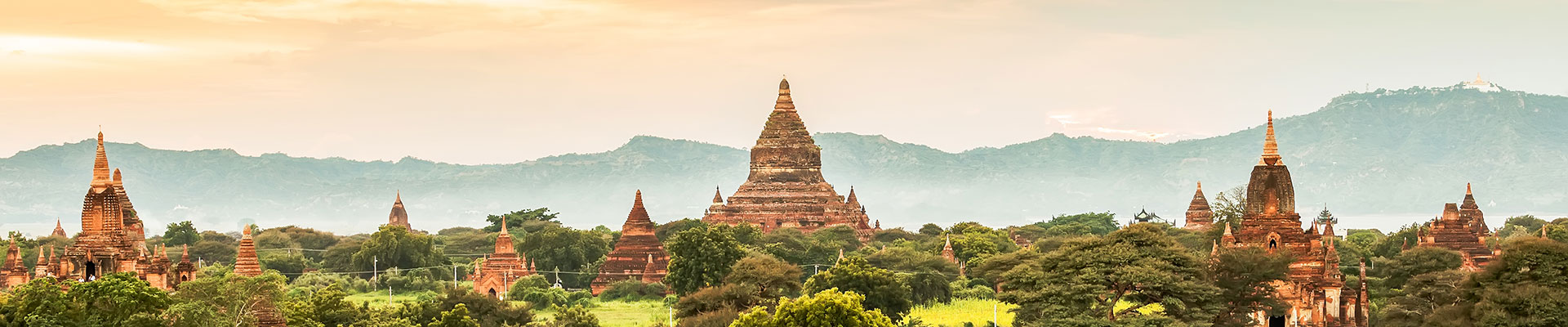
Mandalay
Mandalay is the second largest city and the capital of the last Myanmar Kingdom. Mandalay is located in the central dry zone of Burma by the Irrawaddy River and 688 km north of Yangon, 64 meters (210 feet) above sea level. Its standard time zone is UTC/GMT +6:30 hours. Mandalay is the economic hub of Upper Burma and considered the center of Burmese culture.
A continuing influx of Chinese immigrants, mostly from Yunnan Province, inn the past twenty years, has reshaped the city’s ethnic makeup and increased its economic dynamism. Despite Naypyidaw’s recent rise, Mandalay remains Upper Burma’s main commercial, educational and health center. Mandalay Hill, 230 meters in elevation, commands a magnificent view of the city and surrounding countryside. Mandalay remain Buddhist monasteries and pagoda with conservative tradition and the lifestyle of own culture. Also well known for its traditional arts and crafts, ivory, wood, marble, and stone carvings, gold and silver ware, hand woven silk and tapestry called (shwe chi htoe).
Mandalay And Surrounding
Amurapura
Sagaing
Ava
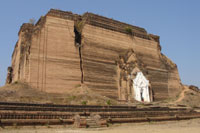
Mingun
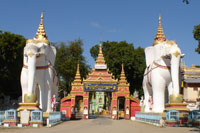
Monywa
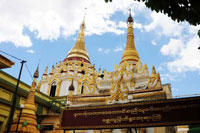
Pakokku
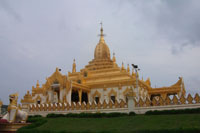
Pyin Oo Lwin
Amurapura
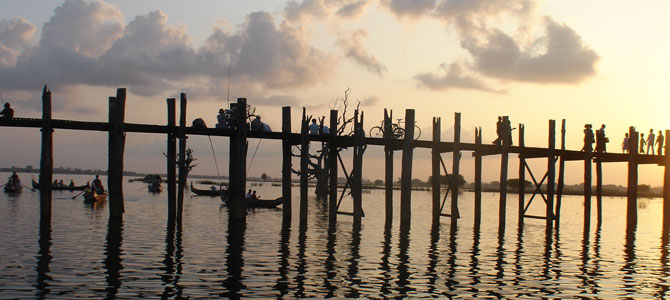
Being 7 miles (11km) south of Mandalay, just half and hour by car from downtown, is Amarapura with its beautiful temples and monasteries, once a royal also. Maha Gadayon Monastery, Bagaya Kyaung Monastery and U Bein’s wooden bridge are the famous destination for travelers.
Sagaing
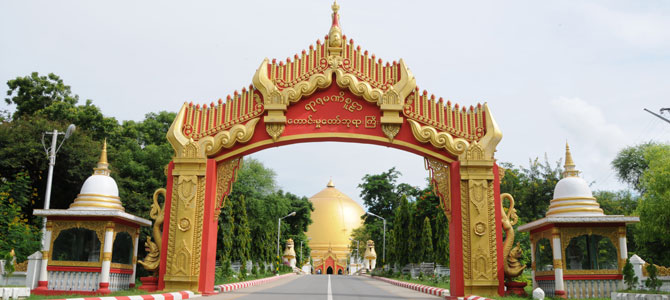
Myanmar’s culture is largely a result of heavy Indian influences intertwined with local traditions and some Chinese influences. This can be seen in the various stupas and temples throughout the country, which bear a distinct resemblance to those in northern India. Like neighbouring Thailand, Theravada Buddhism is the single largest religion, and even some of the most remote villages will have a village temple for people to pray at. Other religions which exist in smaller numbers include Christianity, Islam and Hinduism.
Ava
Innwa (Ava) located on an island between the Irrawaddy and Myitnge Rivers. We visited Ava by horse cart (bullock cart).The ruins of a brick and stucco monastery called Maha Aungmye Bonzan (Okkyaung) is the main site.
Generally speaking, most Burmese people are incredibly friendly and polite, and will do their best to make you feel welcome in their country.
Mingun
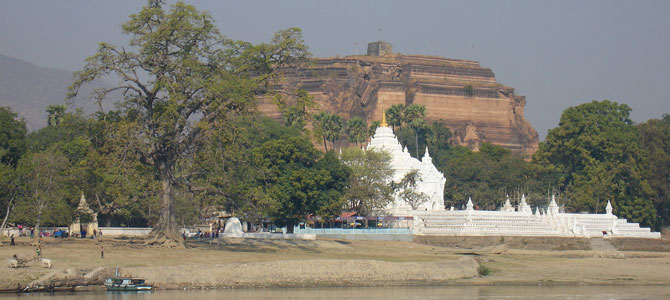
After a one hour boat ride up river from Mandalay, you can reach Mingun with its ruined Mingun Pahtodawgyi, the remains of a massive unfinished Buddhist stupa begun by King Bodawpaya in 1790. The temple was not completed, due to an astrologer claiming that, once the temple was finished, the king would die. Had the stupa been completed, it would have been the largest in the world at 150 meters. Despite its ruined state, the remains are impressive, making it the largest pile of bricks in the world.
King Bodawpaya also had a gigantic bell cast to go with his huge stupa. The Mingun Bell weighs 90 tons, and is today the largest ringing bell in the world. The weight of the bell in Burmese measurement, is 55,555 viss or peiktha (1 viss = 1.63 kg), handed down as a mnemonic “Min Hpyu Hman Hman Pyaw”, with the consonants representing the number 5 in.
Monywa
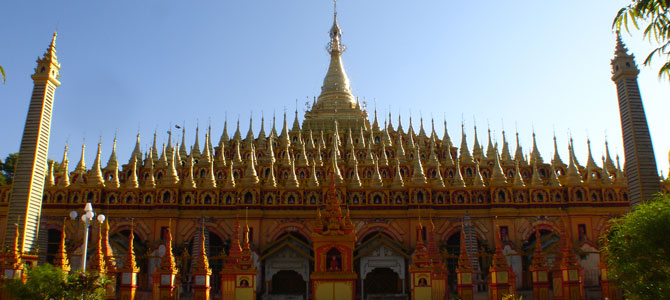
Monywa, about 136 km to the west of Mandalay, a major center for trade and commerce for agricultural product from surrounding Chindwin Velly. Mohnyin Thambuddhei Paya, it dates from 1303, although it was reconstructed in 1939. It is said to contain over 500,000 images of Buddha. Giant reclining Buddha at Bodhi Tahtaung (one thousand Bo Tree) Shwezigon-Paya, Aung Setkya Paya, and Phowintaung are major places for the visitors.
Pakokku
Pakokku is a prosperous trading town in central Myanmar with its conservative atmosphere far from cities like Yangon or Mandalay where there are big cars and big houses but in Pakokku there big monasteries and pagodas. The Hhiho Shin pagoda not far from the river is an ancient one, but does not show its age as it has been well-preserved over the ages. There are also some beautiful monasteries built from teak wood in Pakokku.
Pyin Oo Lwin
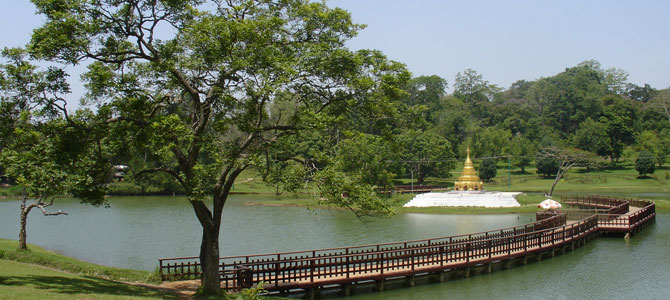
May Myo (or May Town), as Pyin Oo Lwin was once called, was a retreat for the British from the searing heat of Mandalay in the hot season. It still retains much of its quaintness with lots of Edwardian-style houses despite the new buildings which are being built to house the increasing number of immigrants from other parts of the State and beyond and its lies in the cool mountains about one and a half hours’ drive from Mandalay.
Hotels In Myanmar
- Hotels In Yangon
- Hotels In Mandalay
- Hotels In Bagan
- Hotel In Inle
- Hotel In Others
Multi-Country Tours
- Myanmar - Cambodia
- Myanmar - Vietnam
- Myanmar - Laos
- Myanmar - Thailand
Travel Tips
- About Myanmar
- Myanmar Festival
- Public Holidays
- Travel Tips Embassy
Transportation
- Airlines Information
- River Cruise In Myanmar
- Myanmar Car Rental Service
- Train Schedule